
Smart Lock OEM and ODM Solutions for Latin America
SUPTER is a China-based smart lock OEM and ODM partner supporting Latin American importers, distributors, private-label brands and residential project teams as they evaluate a product range. SUPTER helps these teams review the target market, sales channel, door conditions and required configuration before selecting a sample or preparing an order. Because door construction and user expectations differ, the process should begin with practical market and compatibility information. The aim is to prepare a realistic product range and project plan before sampling or ordering.
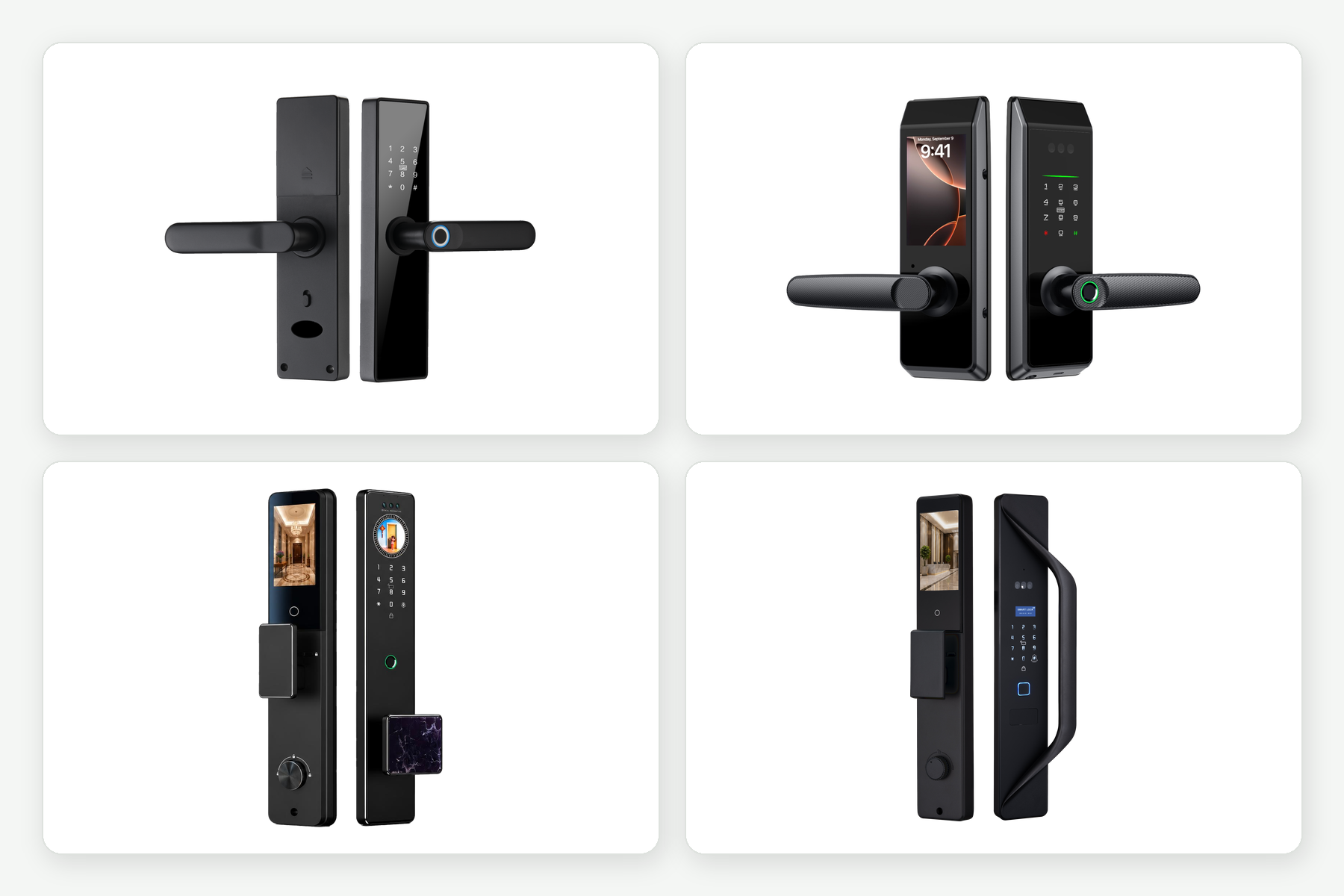
Different Buyers Need Different Project Information.
The commercial goal may be similar, but the information needed to select a product range changes with the buyer's role and route to market.
Importers Building a Local Range
Importers need a range with clear commercial roles, realistic price tiers and configurations that can be evaluated against local door types, customer expectations and after-sales resources. The starting point is a focused portfolio, not the largest possible catalogue.
Distributors Serving Several Channels
Distributors may serve installers, retailers, online sellers or project customers. Product selection should consider how the product is presented, installed and supported in each channel, while also avoiding unnecessary overlap within the range.
Private-Label Brands Preparing an Offer
A private-label project must connect the selected configuration with logo application, packaging, labels, manuals and product identification. These elements should support the intended market position rather than become disconnected customization tasks.
Residential Project Teams
Project teams need clear door, mortise and installation information before confirming a sample. When a project includes several door types or installation conditions, each case should be reviewed separately rather than assuming that one tested door represents the whole project.
Why One Smart Lock Does Not Fit Every Market
A model that is commercially suitable for one channel may be difficult to install, explain or support in another. Door construction, customer price expectations and preferred access methods can change the role a lock should play in a local range.
Application and connectivity requirements, packaging language and documentation also need to be reviewed for the intended market. A familiar feature name is not enough to confirm that a complete configuration is suitable.
Door Type
Review material, construction and available installation space.
Mortise
Compare the existing door preparation and mortise dimensions with the proposed mortise.
Door Thickness
Confirm the measured thickness of the door being evaluated.
Opening Direction
Record the direction and installation orientation clearly.
Price Expectations
Define a realistic target customer and retail price position before selecting a sample.
Sales Channel
Consider retail, online, distribution and project requirements.
Access Methods
Prioritize methods that are useful to the intended customer.
App and Connectivity
Confirm the required platform and connectivity for the configuration.
Market Materials
Plan packaging, labels, language and documentation together.
No model should be assumed to suit every Latin American market. Technical, documentation and local compliance requirements should be confirmed according to the target market and project.
Build a Practical Three-Level Product Range
Entry-level, mainstream and premium positions can help a buyer organize a range, but they are commercial planning roles rather than permanent labels attached to every model. The final choice depends on the customer, channel and door condition.
Entry-Level Direction
Define the essential customer need, acceptable feature set and installation complexity for a more accessible offer. Value should come from a clear fit with the channel, not from removing information needed for safe selection.
Mainstream Direction
Plan the product that can carry the central part of the range. Balance presentation, useful access methods, door compatibility, installer familiarity and the service demands expected from the main sales channel.
Premium Direction
Use stronger presentation or a more advanced configuration only where the target customer recognizes the value. Packaging, documentation and replacement or service complexity should remain consistent with the intended premium position.
A practical range gives each option a reason to exist. Target customer, expected retail position, channel, door fit, feature priorities and after-sales complexity should be reviewed together before models are assigned to a tier.
Review the current SUPTER smart lock rangePrepare Door and Installation Information Before Sampling
The following information is a useful starting point. Not every item is mandatory for every enquiry, but clearer door information reduces the risk of selecting an incompatible sample.
Why this matters. A product image shows appearance, not the full installation condition. Measurements and clear photographs allow the proposed sample to be reviewed against the actual door before time is invested in branding, quotation preparation or broader range planning.
Align Product, Brand and Supply Preparation
SUPTER supports market-based product selection and project preparation so the configuration, brand presentation, packaging and documentation are reviewed as one connected plan.
The available scope depends on the selected product and project. Application platforms, customization, documentation and compliance needs should be confirmed for the intended configuration; they should not be assumed to apply without review.
See SUPTER's OEM and ODM project approachMove Forward Through Five Clear Stages
The sequence keeps commercial, installation and delivery decisions connected without promising a fixed lead time before the project scope is known.
- 01
Confirm Market and Channel
Define the target market, intended customer, sales channel and expected product position.
- 02
Review Door and Configuration
Share door information and identify the access, connectivity and installation priorities to review.
- 03
Define the Sample to Evaluate
Shortlist the options and agree which model and configuration should be evaluated first.
- 04
Evaluate the Complete Offer
Review product operation, door fit, installation, packaging, documentation and product identification using the sample as the reference.
- 05
Confirm Order and Supply Plan
Record the approved configuration, branding details, documents and supply requirements before a mass order proceeds.
Prepare a Concise Project Brief
A useful request for product recommendation can include:
Estimated quantity helps frame the project while the product and configuration are still being defined. Requirements should be confirmed according to the target market and project.
- Target country or market
- Sales channel
- Intended customer group
- Door type and dimensions
- Preferred functions
- Expected product position or price segment
- Estimated quantity
- Branding and packaging requirements
- Required documents or local compliance items
- Target schedule
Frequently Asked Questions
Can one smart-lock model be used across all Latin American markets?
It should not be assumed. Door construction, sales channels, customer expectations, required access methods, documentation and project conditions can differ. Each target market and configuration should be reviewed before selection.
What door information should be prepared before selecting a sample?
Useful information includes door material, thickness, opening direction, existing mortise dimensions, current holes and clear front and side photographs. The exact information needed depends on the door and project.
Can SUPTER support private-label packaging and documentation?
SUPTER can review logo application, brand presentation, packaging direction, labels, instructions and documentation planning as part of an OEM or ODM project. The available scope must be confirmed for the selected product and order.
How should a distributor organize entry-level, mainstream and premium options?
Start with target customers and channels, then separate the range by expected price position, useful features, door compatibility and service complexity. Each option should have a clear commercial role without unnecessary overlap.
What should be confirmed before requesting a quotation?
Confirm the intended model or range, configuration direction, estimated quantity, branding and packaging needs, documentation requirements, target schedule and any local compliance items that require review.
Can a customer begin with sample evaluation before confirming a full range?
Yes. A focused sample evaluation can help review the product, door fit, installation, packaging and documentation before a broader range or mass-order configuration is confirmed.
Read the detailed smart lock selection guide for market, door and sample decisions.
Compare Tuya and TTLock platform questions before confirming a sample configuration.
Prepare the actual door, mortise and installation information with the compatibility checklist.
Define the Market and Door Before Choosing the Range.
Share your target market, channel, door information, preferred functions and estimated quantity. SUPTER will help identify a practical product range and configuration for further review.